Why AI‑powered prediction markets on blockchain are worth your attention
Prediction markets used to be niche websites where people bet on elections or sports. Now, with ai powered prediction markets blockchain projects, the idea is turning into a full‑blown financial tool. You’re not just guessing outcomes; you’re trading on crowd intelligence plus machine learning models that digest news, on‑chain data and social media. That combo makes prices on a blockchain prediction market platform feel more like a live probability feed than simple gambling, and you stay in control of your funds through your own wallet instead of trusting a centralized bookmaker.
How AI prediction markets on blockchain actually work
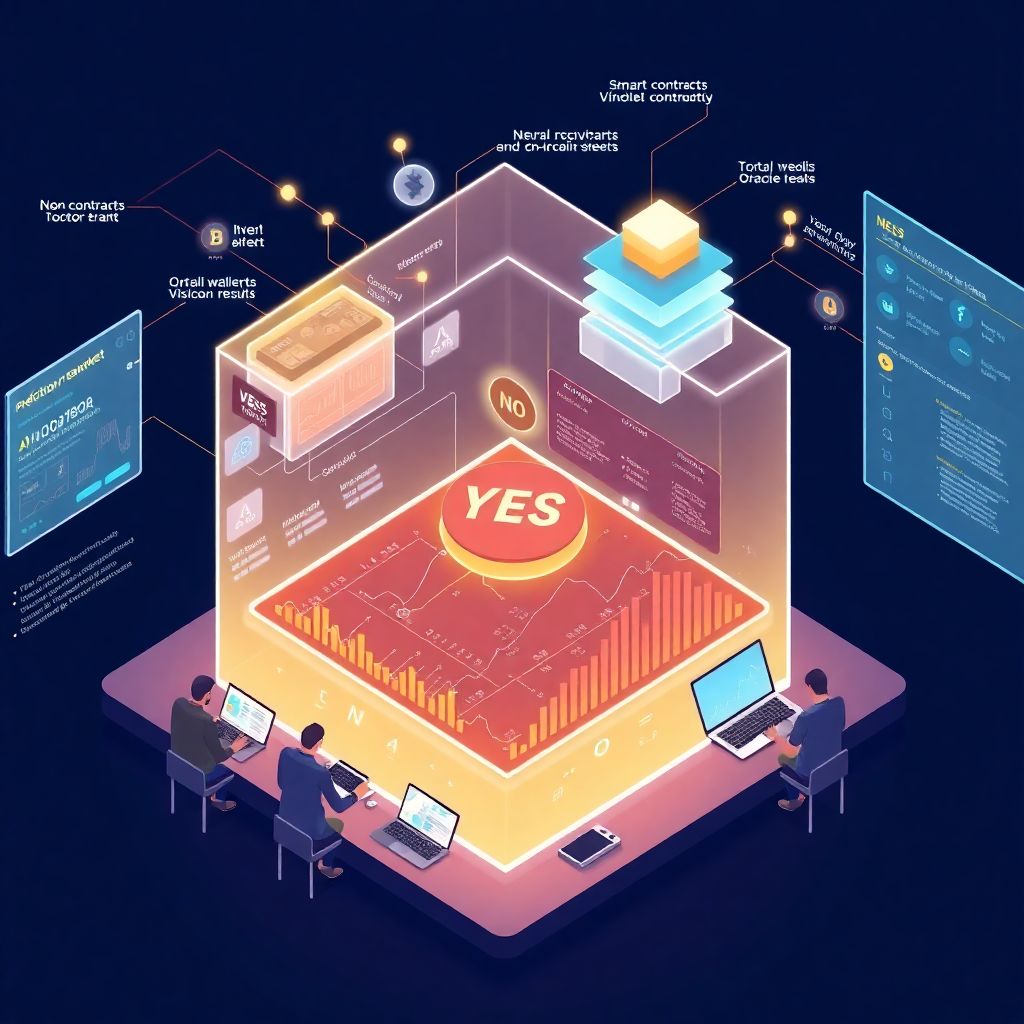
At the core, every market is just a token that represents a possible outcome: “Yes, candidate X wins” or “No, they don’t.” On decentralized prediction markets crypto users trade these outcome tokens, and their prices move as new information appears. AI models track signals like order flow, volatility and external data feeds, then suggest odds or even auto‑quote liquidity. Smart contracts handle settlement once an oracle confirms the result. Because everything is on‑chain, you can audit how the market evolved instead of relying on opaque house algorithms like on traditional betting sites.
Necessary tools to get started
To interact with the best ai crypto prediction platforms you don’t need a data science degree, but a few tools are non‑negotiable. First, you need a non‑custodial wallet, like MetaMask or a mobile alternative, set to the network where your chosen app runs. Second, grab some native tokens for gas plus a major stablecoin so you’re not exposed to wild price swings. Third, sign up for an AI analytics dashboard or bot that plugs into your chosen marketplace; many platforms bundle basic AI signals into their interface, while power users connect external GPT‑style tools for deeper narrative and sentiment analysis.
Wallets, networks and security basics
Your wallet is both your login and your bank, so treat it carefully. When you join a blockchain prediction market platform, it usually means adding a new network to your wallet and approving token permissions. Newcomers often click through these screens without reading, then wonder why a sketchy contract can move their funds. Double‑check URLs, verify contracts via official docs and keep your seed phrase offline. Using a hardware wallet or at least a separate browser profile for trading is a good idea, especially if you plan to deploy larger capital or test multiple experimental protocols.
AI tools, data feeds and interfaces
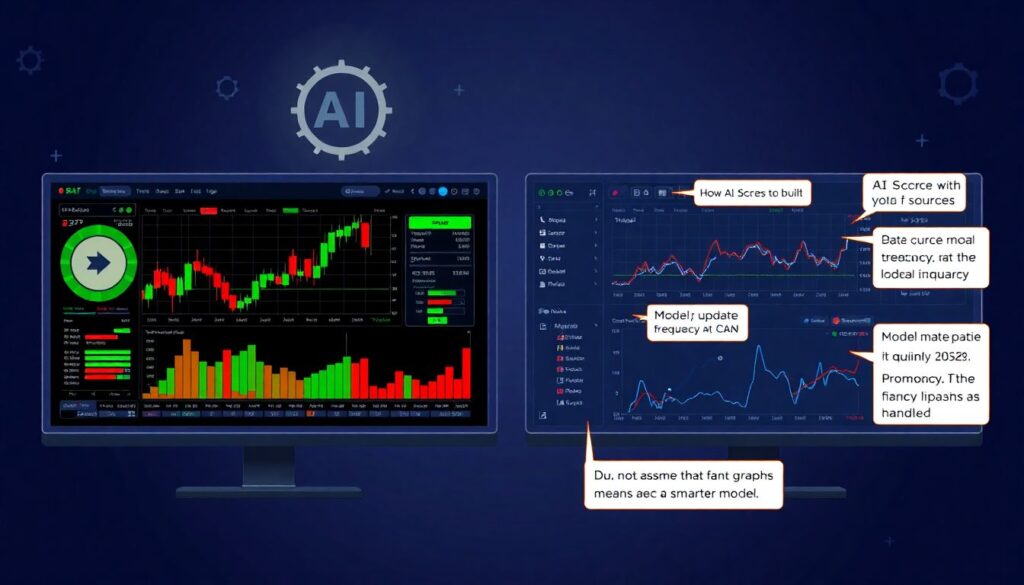
You’ll see everything from simple “AI score” badges to advanced dashboards that resemble professional trading terminals. Don’t assume that a fancy graph equals a smarter model. Start with platforms that explain how they build signals: what data they use, how often models update, how outliers are handled. Ideally, the interface lets you overlay AI probability curves with historical prices and volume. If a service claims 90% accuracy with no details, be skeptical. Proper ai powered prediction markets blockchain tools make limitations clear and highlight that AI augments human judgment rather than magically predicting the future.
Step‑by‑step process: from zero to your first AI‑assisted trade
1. Choose a platform and check its reputation
Before you even think about how to invest in crypto prediction markets, pick a protocol that actually deserves your trust. Look for open‑source smart contracts, third‑party audits and an active community that asks tough questions. Read the docs, especially the sections on oracle design and dispute resolution, because that’s where things usually break. If a market settles on the wrong outcome due to a bad oracle, you might be stuck. Community‑run forums and governance channels are a great place to gauge whether the team responds transparently to bugs, delays and contentious results.
2. Fund your wallet and connect
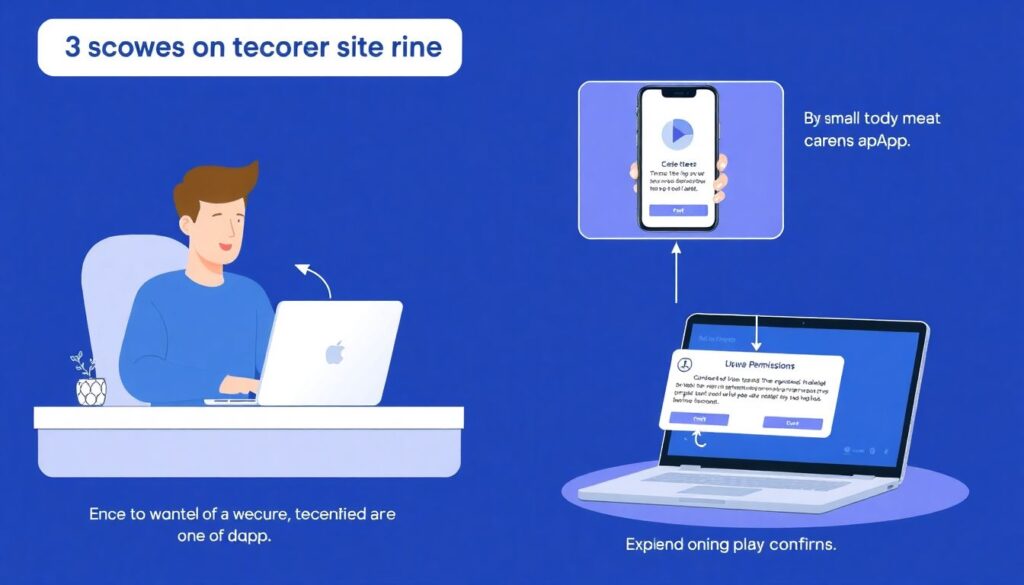
Once you’re comfortable with the platform, buy a small amount of the required tokens on a reputable exchange. Send them to your wallet, confirm they arrived, and only then connect the wallet to the dApp. When the site prompts for permissions, expand the details and see exactly what you’re allowing. For your first deposit into decentralized prediction markets crypto pools, start with an amount you’re totally fine losing; that keeps your brain calm enough to make rational decisions. Bookmark the correct URL and resist the urge to follow random “bonus” links on social media.
3. Use AI signals instead of chasing noise
Now the fun part: choosing a market. Browse open markets and sort them by liquidity and trading volume; thin markets are easy to manipulate and terrible for learning. Turn on whatever AI overlays the platform offers—probability scores, recommended ranges, anomaly alerts. Here’s where beginners mess up: they see the AI’s favorite side and instantly go all‑in. A smarter approach is to treat AI as one input among many. Compare model predictions with recent news, community discussion and your own understanding. If everything aligns, take a modest position and track how the AI probabilities evolve.
4. Manage positions and exit intelligently
Prediction markets are dynamic; the probability at which you enter is rarely the one at which you’ll want to exit. Set a simple plan before you click “buy.” For example: “If the token price moves 20% in my favor, I’ll take profits; if it drops 20% against me, I’ll cut the loss.” Many best ai crypto prediction platforms let you set limit orders or alerts tied to both price and AI‑estimated probability. Use them. Avoid the newbie habit of holding a clearly losing market to settlement just because “anything can happen.” That mindset turns trading into expensive wishful thinking.
Frequent mistakes beginners make
Beginners often confuse probabilities with certainties. Seeing a 75% AI probability doesn’t mean guaranteed profit, it just means the model thinks that outcome is more likely based on current information. Another classic error is ignoring liquidity: buying a large position in a thin market can move the price against you instantly, and getting out later might be painful. Many users also underestimate gas fees and end up paying more in transactions than they earn in edge. Finally, chasing every new AI‑branded platform without checking audits is a fast route to rug pulls or broken contracts.
Overtrusting AI and underestimating risk
The most dangerous psychological trap is delegating your brain to the model. People assume “the AI must know better,” especially when they don’t fully understand the underlying event. That leads to blind copying of signals, over‑leveraging and refusal to close losing positions because “the model says it’s still good.” Remember that AI is trained on historical data which might not reflect sudden regime changes, black‑swan events or deliberate manipulation. Treat each prediction as a probability range, not a promise, and size your trades so that a string of bad outcomes won’t wipe you out.
Misreading market structure and ignoring oracles
Another sneaky error is not reading the market description and resolution criteria. On a blockchain prediction market platform, tiny wording details decide how a dispute ends. Is the result defined by official government data, a specific news source, or an on‑chain event? If you skip this part, you might bet on what you think the question means instead of what the contract actually enforces. Check which oracle is used, how disputes are funded, and whether there is a clear escalation path. Serious capital should never enter markets with vague or easily manipulable conditions.
Troubleshooting and dealing with common problems
When something feels off, resist panic and walk through a simple checklist. If a trade doesn’t go through, first check network congestion and gas settings—often “stuck” transactions are just underpriced. If a market price looks absurdly wrong compared to AI predictions and news, verify liquidity and open interest; it might be a dead market rather than a free lunch. In case of delayed settlement, read platform announcements to see if the oracle is waiting on official data. Screenshot your transactions and keep TX hashes handy before asking support or the community for help.
Technical glitches and wallet issues
1) If your wallet won’t connect, confirm you’re on the correct network and that your browser extension is updated.
2) For failed approvals, reset token allowances in your wallet interface, then try again with slightly higher gas.
3) If balances display incorrectly in the UI but look fine on a block explorer, clear cache or try another browser.
Most problems are superficial UI hiccups; always trust on‑chain data over the app’s front‑end. If explorers show no record of a trade, it never happened, and you’re safe to retry once you’ve fixed the underlying connection problem.
Wrapping up: using AI as a co‑pilot, not an oracle

AI‑enhanced prediction markets blend crowd wisdom with algorithmic insight, but they don’t eliminate uncertainty. Your edge comes from combining model output, transparent smart contracts and your own critical thinking. Start small, log every trade, and review how your decisions compared to both AI probabilities and actual outcomes. Over time, you’ll develop an intuition for when to lean on models and when to fade them. If you treat ai powered prediction markets blockchain tools as a disciplined way to express views on real‑world events, rather than a shortcut to easy money, you’ll avoid most rookie disasters.