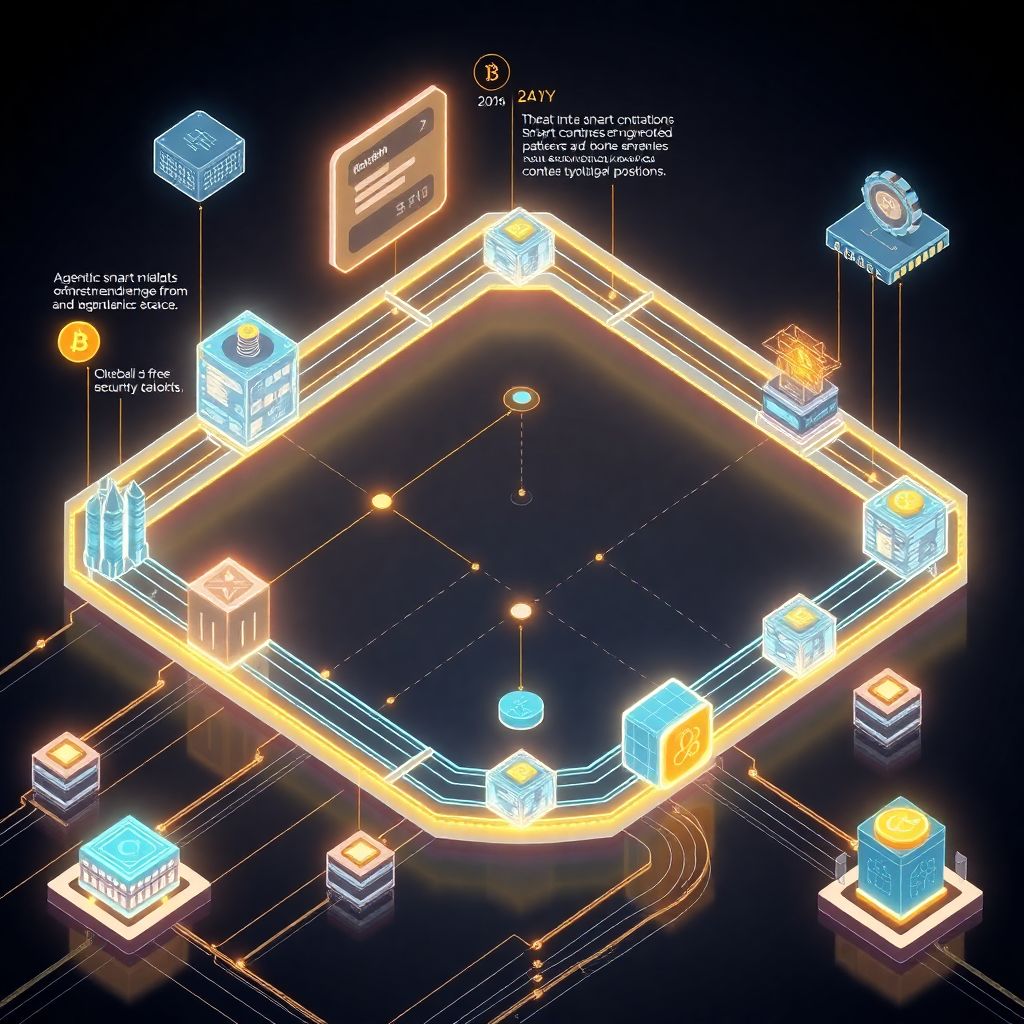
Why autonomous security is becoming mandatory for blockchains
Blockchains don’t sleep, so your defense can’t either. Once you plug a DeFi protocol, DAO, or gaming sidechain into the open internet, it becomes a 24/7 target for bots, MEV hunters, and exploit builders. Manual SOC teams and traditional blockchain cybersecurity solutions simply can’t keep up with the transaction velocity, composability, and the sheer weirdness of on-chain attack vectors. Autonomous cybersecurity for blockchain-based networks means letting software continuously observe the chain, understand its normal behavior, and automatically react when something goes off the rails — without waiting for a human analyst to sip coffee, read logs, and push a button.
Key approaches to autonomous security for blockchain networks
The first big split is on‑chain versus off‑chain enforcement. On‑chain approaches embed guardians directly into smart contracts or protocol logic: circuit breakers, rate limiters, invariant checkers, or “sentinel” contracts that can pause modules. They have perfect visibility into contract state but are expensive to upgrade and constrained by gas and consensus rules. Off‑chain approaches behave more like a blockchain threat detection platform: they ingest mempools, blocks, logs, and external intel, then generate alerts or even transactions to neutralize attacks. They’re flexible and can run heavy AI models, yet they depend on incentives and reliable transaction inclusion to be effective.
Heuristics, ML, and “co-pilot” bots
Most current autonomous security for blockchain networks is a cocktail of static rules and anomaly detection. Heuristic engines spot patterns like re-entrancy call shapes, flash loan bursts, and abnormal DEX route graphs. Machine learning models sit on top, learning typical flows per protocol and per address cluster, then flagging statistically improbable behavior. A newer twist is “security co‑pilot” bots that actually submit counter‑transactions: frontrunning an exploit contract, force‑liquidating a malicious position, or triggering an emergency governance action. These bots blur the line between monitoring and active defense.
Agentic security DAOs and “defense-first” validators
A more radical approach delegates security decisions to specialized agents or committees. Imagine validators running hardened plug‑ins that refuse to propose blocks containing obviously malicious transactions, or a security DAO that stakes reputation on signing off critical upgrades and emergency pauses. Instead of a passive blockchain network security software stack, you get an ecosystem of actors economically rewarded for preventing loss events. This can reduce mean-time-to-mitigation dramatically, but also raises questions about censorship, cartel behavior, and who defines “malicious”.
Pros and cons of different autonomous security stacks
Rule-based engines are fast and explainable. You can encode known bad behaviors, like infinite mint patterns or price oracle manipulation, and ship them as deterministic guards. The downside is brittleness: attackers read the same whitepapers and simply nudge their exploit shape to bypass filters. ML-based and AI driven blockchain security services, in contrast, adapt as they ingest more chain data and off‑chain context, catching odd behaviors nobody had explicitly blacklisted. However, they struggle with transparency; when an expensive mainnet transaction is blocked, developers want more than “the model didn’t like it” as a justification, especially in governance disputes.
On‑chain autonomy vs off‑chain flexibility
On‑chain controls offer strong guarantees: if the contract refuses to execute, no validator can override it. That’s gold for systemic risk mitigation in DeFi. Yet hard‑coded logic ages poorly; what looked like a sane invariant in 2023 might block a legitimate cross‑chain flow in 2025. Off‑chain systems, including modern blockchain cybersecurity solutions, evolve fast and can integrate real‑time intel from GitHub, Twitter, dark‑web forums, and bug bounty platforms. But they add new trust assumptions: if your off‑chain security oracle goes down or is captured, the “autonomy” collapses into a single point of failure.
Non‑standard ideas: moving beyond pure detection
Most projects obsess over catching attacks, but a more interesting frontier is reshaping the game so some attacks become economically irrational. Think of configurable “loss buffers” funded from protocol revenue that absorb small anomalies automatically and then gradually unwind positions under AI supervision. Or liquidity pools with built‑in “dynamic trust bands” that automatically shrink exposure to contracts or chains with rising risk scores, using a shared blockchain threat detection platform maintained by multiple protocols. Another unconventional move: let users opt into personal security agents that co‑sign high‑risk transactions, much like 2FA, but driven by models analyzing the user’s past on‑chain behavior.
Composable security primitives as Lego blocks
Instead of a single monolithic guardian, imagine small, auditable security modules: one monitors oracle sanity, another tracks governance activity, a third monitors cross‑chain bridges. Protocols plug these modules together like DeFi Lego. Each module exposes signals and “suggested actions” via standardized interfaces, and autonomous controllers combine them to decide whether to throttle, pause, or re‑price risk. This makes it easier to upgrade components independently and share improvements across ecosystems, avoiding the trap where every protocol reinvents half‑baked defenses.
How to choose autonomous protection for your project
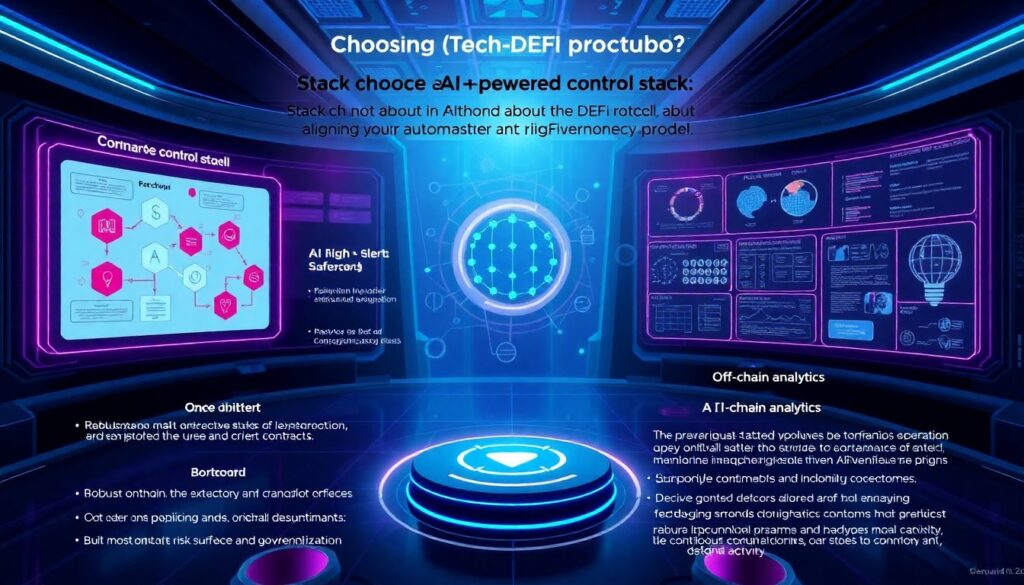
Choosing a stack isn’t about picking the fanciest AI; it’s about aligning autonomy with your risk surface and governance model. If you run a high‑TVL DeFi protocol, start with on‑chain safeguards for catastrophic states (like invariant breaches or oracle desync) and back them with off‑chain analytics that can intervene via privileged or time‑locked roles. For NFT or gaming chains, where UX matters more than absolute capital safety, lighter‑weight monitors and wallet‑level protections can be enough. Whichever direction you take, demand clear APIs, replayable simulations, and documented failure modes from any provider of blockchain network security software; you’ll need all of that when something eventually breaks.
Organizational readiness matters as much as tooling

Even the best autonomous system can be sabotaged by messy governance. Define in advance who can override a pause, how you communicate incidents, and what thresholds trigger emergency powers. Run red‑team drills focusing on decision latency, not just technical exploits. And resist the urge to centralize everything “for safety”: distribute security roles across multi‑sig councils, independent auditors, and external watchtowers so that no single bug or insider can silently disable protections.
Trends shaping autonomous blockchain security in 2025

In 2025, expect security to shift left and down the stack. Compilers and IDEs will ship with built‑in, AI‑assisted threat modeling, suggesting guardrails while you write Solidity, Move, or Rust; the line between dev tooling and AI driven blockchain security services is already blurring. L2s and app‑chains will expose native hooks for prevention logic in mempools, letting protocols reserve “defense gas” to front‑run their own attackers. We’ll also see shared, cross‑ecosystem risk feeds where bridges, oracles, and rollups publish signed telemetry, enabling multi‑chain autonomous security for blockchain networks that reacts to contagion instead of isolating per‑chain incidents.
The convergence of infra, wallets, and monitoring
User agents will quietly turn into security allies. Wallets will integrate local anomaly detectors and reputation scores, warning users before they sign that “free mint” transaction. RPC providers and indexers will bundle default protections, similar to spam filters for email. And under the hood, many of these services will run a common analytics core — effectively a multi‑tenant, privacy‑aware blockchain cybersecurity brain that powers wallets, infra, and devops dashboards from the same event streams. The line between a dev’s debug console and an enterprise-grade blockchain cybersecurity solutions platform will keep fading, hopefully making good security the default rather than an afterthought.